Attractions in and around Velingrad
Page content
What is Velingrad famous for?
Blessed and eternal – it is no coincidence that this is the motto of Velingrad. The city attracts visitors from near and far with its evergreen nature, clean air and mineral waters.
The largest geothermal deposit in Southern Bulgaria is located in Velingrad, and the number of natural thermal mineral springs is 78. The city is also among the leaders in terms of sunshine in the country. It boasts over 200 sunny days a year. The climate is transitional continental with Mediterranean influence.
Velingrad was formed as a city in 1948 with the merger of the settlements of Kamenitsa, Ladzhene and Chepino. There is evidence that Thracian tribes inhabited the Chepino region as early as the 6th-5th centuries BC. In 46 AD, the Rhodope lands fell under the rule of the Romans, and the arrival of the Slavs at the beginning of the 6th century put an end to Roman rule. The influence of all these peoples and their cultural imprint is clearly visible in the rich historical heritage of the region. Velingrad and the surrounding area can undoubtedly boast of interesting sights.
Where is Velingrad located?
Do you know where Velingrad is on the map? Look for it in Southern Bulgaria, Pazardzhik district. The city is located in the western part of the Chepina Valley, between the Rhodope and Rila mountains. It is the second largest city in the district (after Pazardzhik). And do you know where Velingrad is located in relation to the largest cities in the country?
Travel time and distance
From Sofia to Velingrad
The distance Sofia-Velingrad is ~135 km. Velingrad is located southeast of the capital. If you travel by car via the Trakia highway, the trip will take you about 2 hours.
From Plovdiv to Velingrad
The distance Plovdiv-Velingrad is 80-90 km. If you travel by car via the Trakia highway, the journey will take about 1 hour and 40 minutes. Another preferred route among drivers is via the I-8 Republican Road. You travel along the main road from Plovdiv to Pazardzhik and then turn off towards the Chepinska River Gorge. The travel time is similar, and the kilometers traveled are 10 less.
From Burgas to Velingrad
The distance Burgas-Velingrad is 330-370 km, depending on the chosen route. The main route passes through the “Trakia” highway. The journey takes approximately 3 hours and 30 minutes. If you decide to go through the Sub-Balkan road to Kazanlak and then turn towards Plovdiv, you will extend the travel time by at least an hour.
From Varna to Velingrad
The distance Varna-Velingrad is 450 km. Depending on the traffic and the chosen route, the travel time by car is on average about 5 hours and 30 minutes. Most drivers choose the route through Burgas and subsequent connection to the Trakia motorway. An alternative option is to drive along the European route E70, with the connection to the motorway taking place in the area of the city of Yambol.
Traveling on the Rhodope narrow gauge railway
September-Dobrinishte
For those who do not have their own transport, the narrow-gauge railway is a great way to get to Velingrad. There are no direct trains between the four largest cities in the country and the spa capital of the Balkans. First you need to get to Septemvri station – the starting stop of the narrow-gauge railway.
The Rhodope narrow-gauge railway is the only narrow-gauge railway in Bulgaria. Many call it the Alpine Railway of the Balkans.
The distance between the rails is smaller than the standard one. While the most common track gauge, both in our country and around the world, is 1435 mm, the one on which the narrow gauge runs is only 760 mm.
The distance from Septemvri station to Velingrad station is about 40 km, and it takes approximately 1 hour and 30 minutes to travel. The road passes through the Chepino Gorge, parallel to the river, crossing bridges, tunnels and sheer cliffs. The speed is low (about 25–30 km/h), which allows you to enjoy the incredible views that unfold before your eyes.
For the narrow gauge railway, Velingrad is not the last stop, the train continues to Dobrinishte.
Attractions and landmarks in and around Velingrad
The most famous landmarks in Velingrad
- Kleptuza Park and Lake
Kleptuza is an emblematic landmark for Velingrad, one of the symbols of the city. Even if you have not visited the area, you cannot help but have heard of the Kleptuza Park located in Velingrad. Kleptuza Velingrad ranks among the largest karst springs in Bulgaria. In the protected area, there are nearly 300 species of plants, and the impressive thing is that almost all of them (over 260 species) have medicinal properties. The landscape is dominated by black pine, but there are also endangered species such as water hornbeam, snake milk, sumac, Rhodope pansy, and Krum Easter. The animal world is also richly represented. If you walk along the paths, you may catch a glimpse of roe deer, deer and wild boars. The forest resounds with the songs of woodpeckers and jays, and maned pigeons and pigeons often fly in the sky.
- Historical Museum Velingrad
If you want to immerse yourself in the history of the region, the obligatory stop is the Velingrad Historical Museum. It boasts the largest collection of painted Easter eggs in all of Bulgaria. The eggs are painted with a wax technique specific to this region, which is passed down from generation to generation. You can also visit the memorial exhibition “Vela Peeva”. The exposition tells the story of the life of the Bulgarian partisan, after whom the city is named. Another permanent ethnographic exhibition is dedicated to the opera singer Nikolay Gyaurov, who was born in the city. The Velingrad museum preserves a unique archive of personal belongings, authentic photographs and documents that trace his brilliant career. The exhibition “The Mountain, a Hospitable Home” gives you the opportunity to see costumes of the different religious communities inhabiting the Chepina region – Christians, Muslims, Armenians. The museum is number 55 in the Hundred National Tourist Sites of the Bulgarian Tourist Union.
What else should we see in Velingrad?
- Velingrad Art Gallery
Another popular among the interesting cultural landmarks in Velingrad is the city gallery. It is housed in the home of the famous Velingrad artist Tsveta Shumanova, who lived and worked in the USA for many years. Shumanova donated her house to Velingrad with the noble wish that the building be transformed into a center of art. Today, the gallery has two halls. One houses works by contemporary Bulgarian artists of different generations and styles – sculpture, graphics, painting. The second hall presents visiting exhibitions. Once a year, the gallery organizes an open-air exhibition with the participation of young and talented artists.
- Monument to Vela Peeva
There is no shortage of landmarks on the territory of Velingrad, but if you want to see whose name the city bears, stop by the monument to Vela Peeva. It is located in the “Kamenitsa” district. It is no coincidence that it was erected right there. Kamenitsa is a former village, considered the birthplace of the girl. The figure of Vela Peeva is recreated with emphasized heroism and determination. Vela is presented with her head proudly raised and with a gaze directed forward towards tomorrow. The monument is the work of sculptor Toma Popov.
- Nikolay Gyaurov Square and the Chashata Fountain
The central square of Velingrad is named after the world-famous bass player and honorary citizen of the city, Nikolay Gyaurov. The space is a major location for holding significant city events, including concerts, festivals, and holiday celebrations.
A walk through the well-maintained center of Velingrad will inevitably lead you to the Chashata fountain, considered another of the symbols of the city. The fountain resembles a cup surrounded by 4 beautiful maidens – a symbol of the abundance of mineral springs with which the city is blessed. There are four seasons, as many directions in the world, as many thermal deposits in the Velingrad region (in Ladzhene, Kamenitsa, Chepino and Draginovo). Do not forget to take photos for souvenirs around the Chashata fountain Velingrad.
Holy Trinity Church
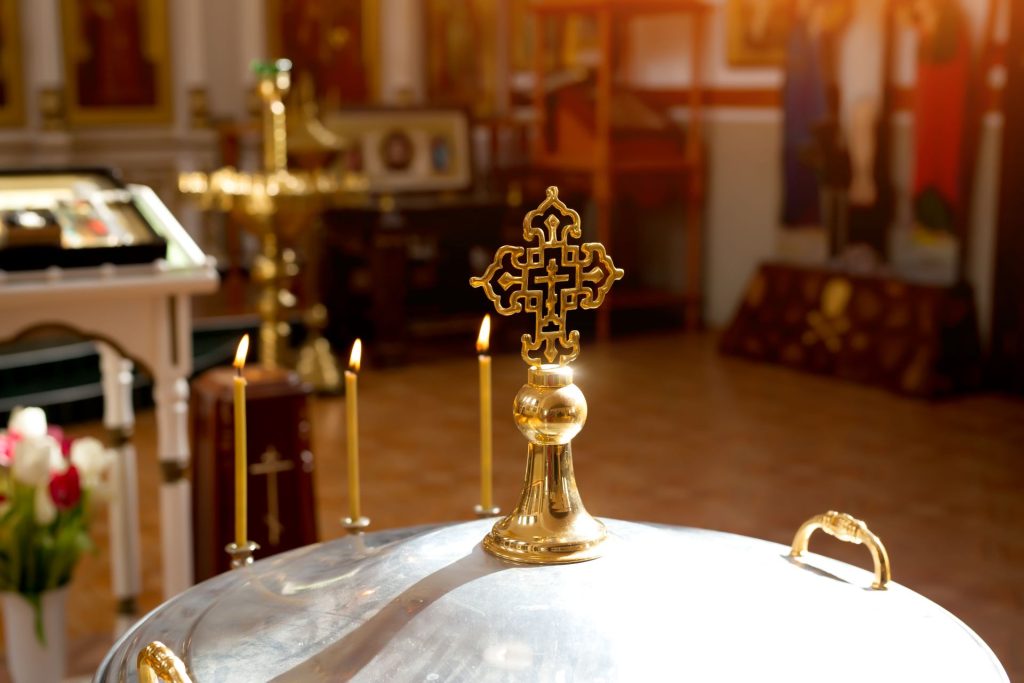
The Holy Trinity Church is located in the Kamenitsa district, a stone’s throw from the Historical Museum and the monument to Vela Peeva. This is the oldest operating Orthodox church in the entire Chepinska valley and the second oldest building in Velingrad (after the baths in the Ladzhene district). The church was built in 1816 on the initiative of priest Angel on the foundations of a small chapel. The entire village of Kamenitsa was involved with funds and labor. In 1823, the first monastic school, and later a secular school in the area, was opened in the church. Today, there is a memorial plaque on the site where the monastic school was located. During the April Uprising (1876), the church served as a hiding place. Weapons of the Secret Revolutionary Committee of Kamenitsa were hidden in it. The 20th century frescoes are noteworthy. Of greatest interest is a rare version of the icon of the Holy Virgin in blue. This icon adorns the western entrance of the church, which is usually opened only during wedding celebrations.
Mineral baths located in Velingrad
There are 5 operating mineral baths in Velingrad. Keep in mind that they are available for men and women on different days of the week. If you decide to visit one of them, inform yourself in advance about the conditions for visiting.
- Velova Banya in the “Lajene” district
- Radon bath in the Chepino district
- Sulfur bath in the Kamenitsa district
- Mud bath in the Kamenitsa district
- Flint bath in the center
Velingrad Cultural Festivals
Velingrad Cultural Festivals are the most large-scale and anticipated event in the city’s calendar. They are held annually in July and for ten days transform the spa capital into a cultural center that brings together artists, musicians and tourists from all over the country. The program is extremely diverse and offers something for every taste and age. It usually begins with a solemn Holy Liturgy for Health and continues with a welcoming of the Rhodope Narrow Gauge Railway. Nikolay Gyaurov Square turns into a huge stage under the stars. Concerts, art classes for children, and a festive fireworks display are organized.
What to visit and what to do in Velingrad if we have children?
Velingrad Zoo and Arboretum
When talking about attractions in Velingrad suitable for families with children, we cannot miss the local zoo. Introduce your little ones to the forest inhabitants. The Velingrad Zoo is located on the territory of the National Vocational High School of Forestry “Hristo Botev” and accepts visitors until 5:00 p.m. It is recommended to plan your visit earlier in the day to have enough time for a leisurely walk in Velingrad.
When talking about attractions in Velingrad suitable for families with children, we cannot miss the local zoo. Introduce your little ones to the forest inhabitants. The Velingrad Zoo is located on the territory of the National Vocational High School of Forestry “Hristo Botev” and accepts visitors until 5:00 p.m. It is recommended to plan your visit earlier in the day to have enough time for a leisurely walk in Velingrad.
Horseback Riding Center “Sivek”
Here is another suggestion if you are wondering what to visit in Velingrad with children – a horse riding center in the city. Entertainment, sports and nature – all this in one place is offered by the horse riding center “Sivek”. You can choose between horseback riding, archery and a dynamic game of tennis.
The base offers flexible options according to your preferences and the weather outside. Riding lessons are held in a riding arena or in the nature surrounding the base. A qualified instructor will be by your side at all times, ensuring your safety.
The equestrian center also has two professional courts with red clay surfaces, allowing you to compete with friends or family. If you are a beginner and want to take your first steps, take advantage of the individual lessons offered.
If you want to test your concentration and accurate aim, try archery.
Interesting attractions in Velingrad
VeliLand spreads over an area of over 70 acres. It is located at the beginning of the city and is undoubtedly a true paradise if you are on vacation with children and are wondering what to visit in Velingrad as a family. A village with yurts and spheres, an equestrian center, a zoo, an amusement park, playgrounds – the opportunities for active recreation and family emotions are countless.
Riding lessons are offered for children and adults, and the youngest can take their first steps in pony riding. Little ones can get up close and personal with favorite animals such as goats, dogs, and donkeys in the petting zoo.
Veliland also has modern playgrounds where the whole family can try their hand at playing football and basketball, paddle tennis or paintball.
The attractions in the amusement park include a carousel, a roller coaster, a Ferris wheel, go-karting, bumper cars, zorb balls, bumper boats. There is also an entertainment area with mini-football, inflatable trampolines, checkers, and for the little ones, playgrounds made of wood and natural materials are provided.
Attractions around Velingrad
Caves around Velingrad
Did you know that 7 cave pearls were found in the Lepenitsa cave near Velingrad? Today they are kept in the Natural History Museum in Sofia, and the cave has been declared a natural landmark. We would say that it is one of the most interesting natural landmarks around Velingrad.
How to get to Lepenitsa Cave? Head towards the village of Sarnitsa from Lake Kleptuza. After 10 km of driving on asphalt, you will reach a gravel section about 2 km long. If you are in a jeep, you can reach the very entrance. If you are in a car, we recommend parking at the end of the asphalt. The rest of the road (about 2.2 km) is pleasant for walking. The cave is located in the territory of the Rakitovo municipality, at the foot of Mount Syutkya.
The cave is 1525 m long, but 1356 m of it has been explored and mapped. The other name by which it is known is the Dionysius Cave – it is believed that some of the remains are part of a sanctuary of the god Dionysius.
The Lepenitsa Cave is home to over 20 species of animals, including 7 species of bats. The Lepenitsa River flows along its lowest floor, and dozens of small lakes can be seen on the top floor. On the second floor, you will be greeted by a variety of cave formations – stalactites and stalagmites in interesting shapes.
Areas around Velingrad
Gergevana area
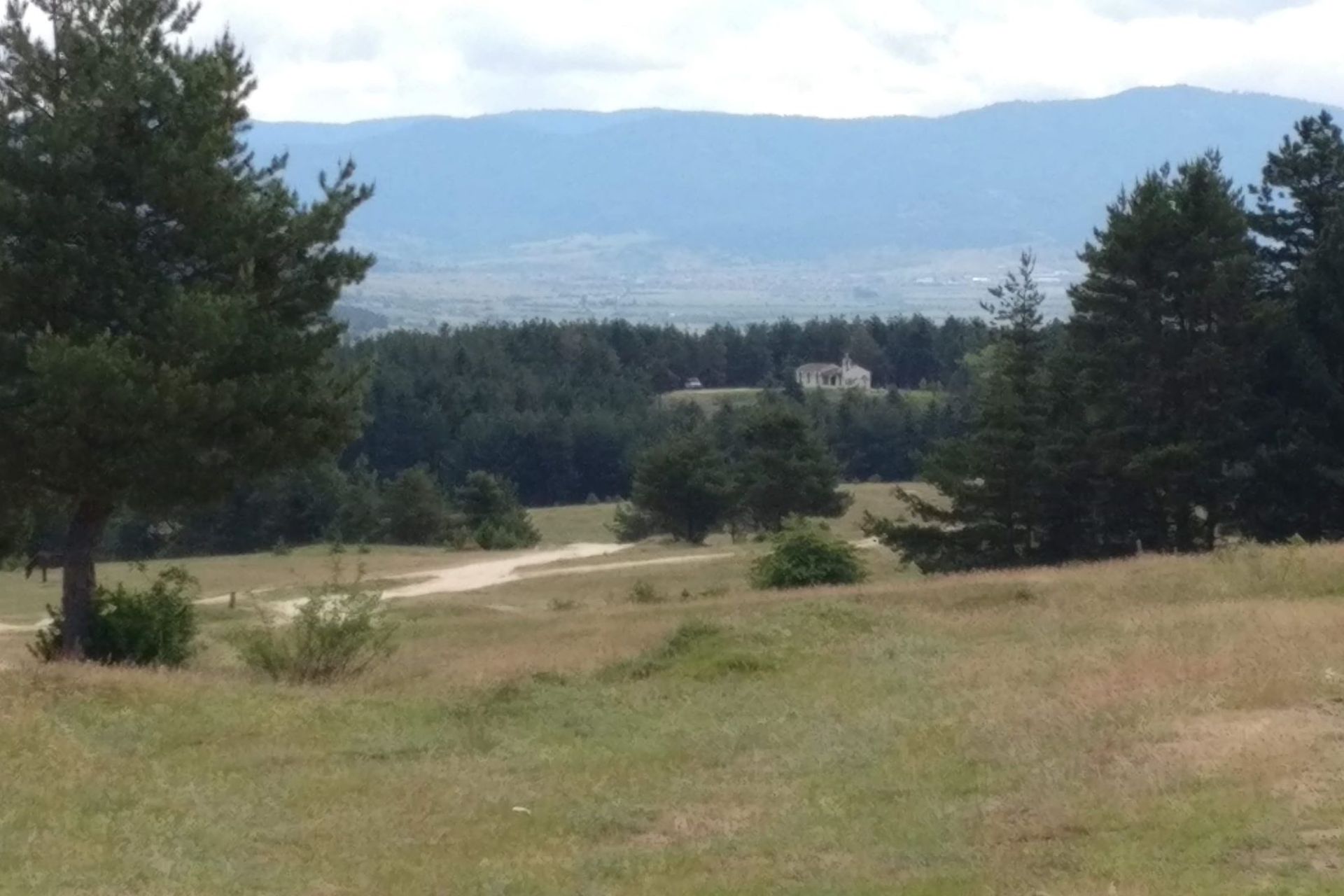
If you are exploring places to go hiking around Velingrad, start by visiting the Gergevana area. This is a low plateau that offers wonderful panoramic views of the nearby peaks and one of the city’s neighborhoods. It is located a 20-minute walk from the center of Velingrad.
There is also a chapel of the same name in the area, built on the site of an old monastery. The temple is named after Saint George, and his name has been transferred to the Gergyovitsa hill, and from there to Gergevana. Every year on May 6, locals and tourists gather to celebrate the church holiday with a liturgy and a sacrificial offering.
Old Chark area
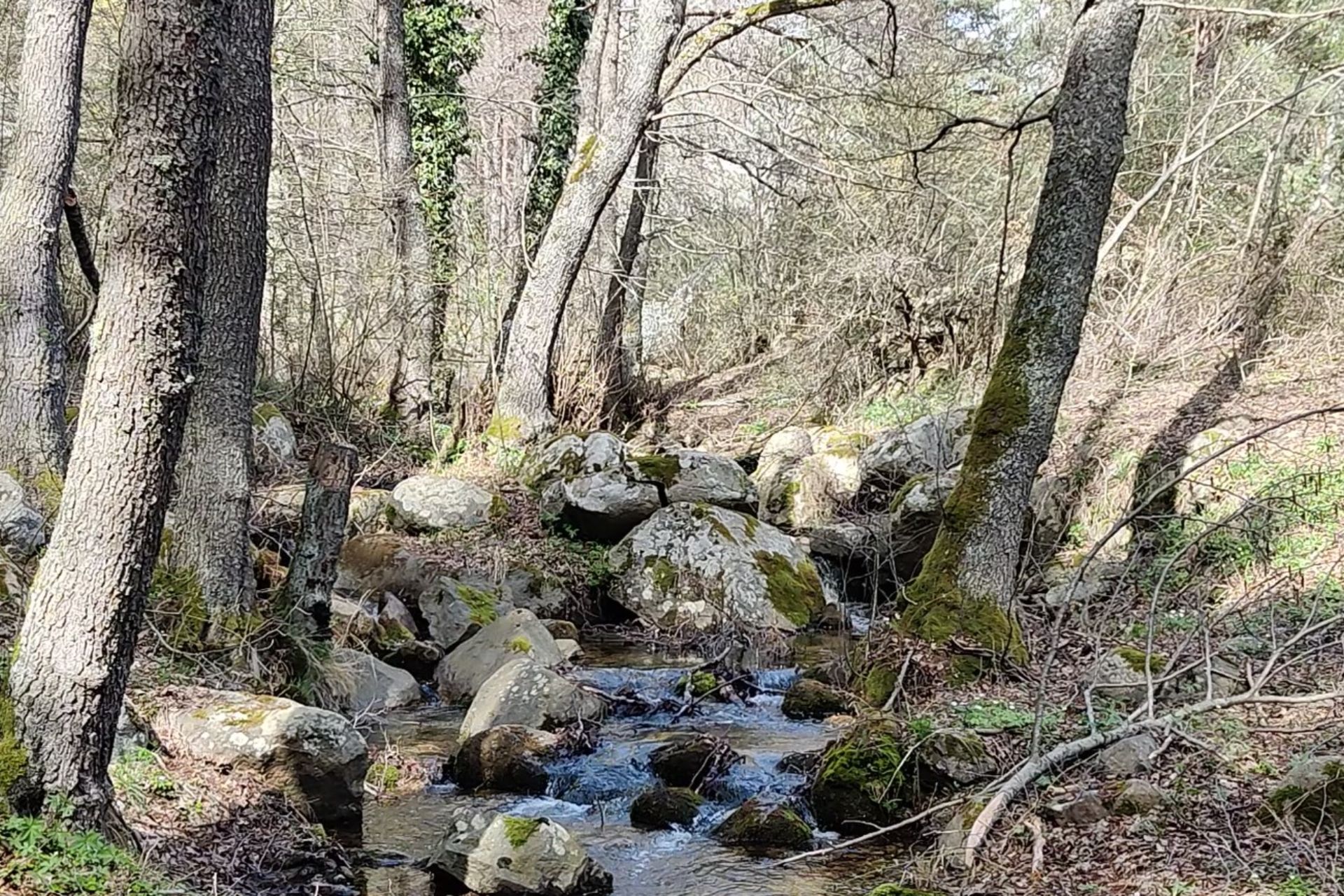
In the Velingrad region, you can also take a walk to the area of Stariya Chark. The local population has established traditions in logging and woodcarving. In the past, people relied almost entirely on wood for their livelihood, and even built charkov – traditional water sawmills. Today, the Historical Museum houses a model that shows exactly how these ancient machines worked, and the connection with this craft is so strong that one of the areas in the vicinity is still called Stariya Chark.
To get there, simply continue your way from the Gergevana area. It will take you about 25 minutes of leisurely walking to the final point. The walk is extremely pleasant, as the route is picturesque and without steep climbs.
St. Nicholas Church
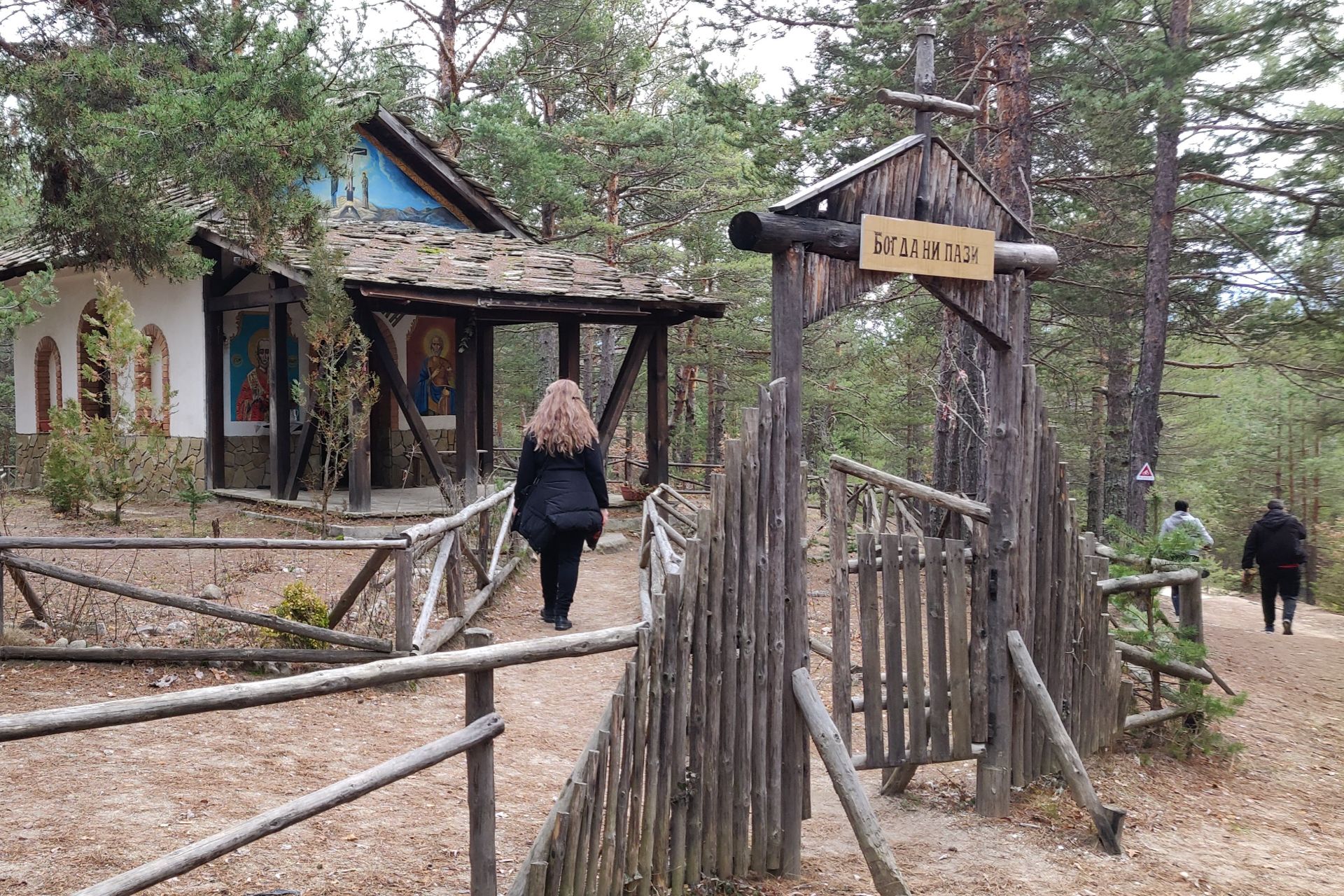
Another landmark around Velingrad that we recommend visiting is the Nikulova Church. The small chapel is nestled in the forest, a 20-minute walk from the Gergevana area. The other name by which the church is known is the “St. Nicholas” chapel. An old Christian temple once stood here, but it was destroyed during the Muslim conversion of Chepinsko in 1666. This is evidenced by the plaque located in the area. Today, Nikulova Church is a preferred place for a walk in nature. Comfortable gazebos with tables for relaxation have been built. Every year on December 6 (St. Nicholas Day), the old custom is observed here and a kurban is distributed for health.
Elin Peak and St. Elijah Chapel
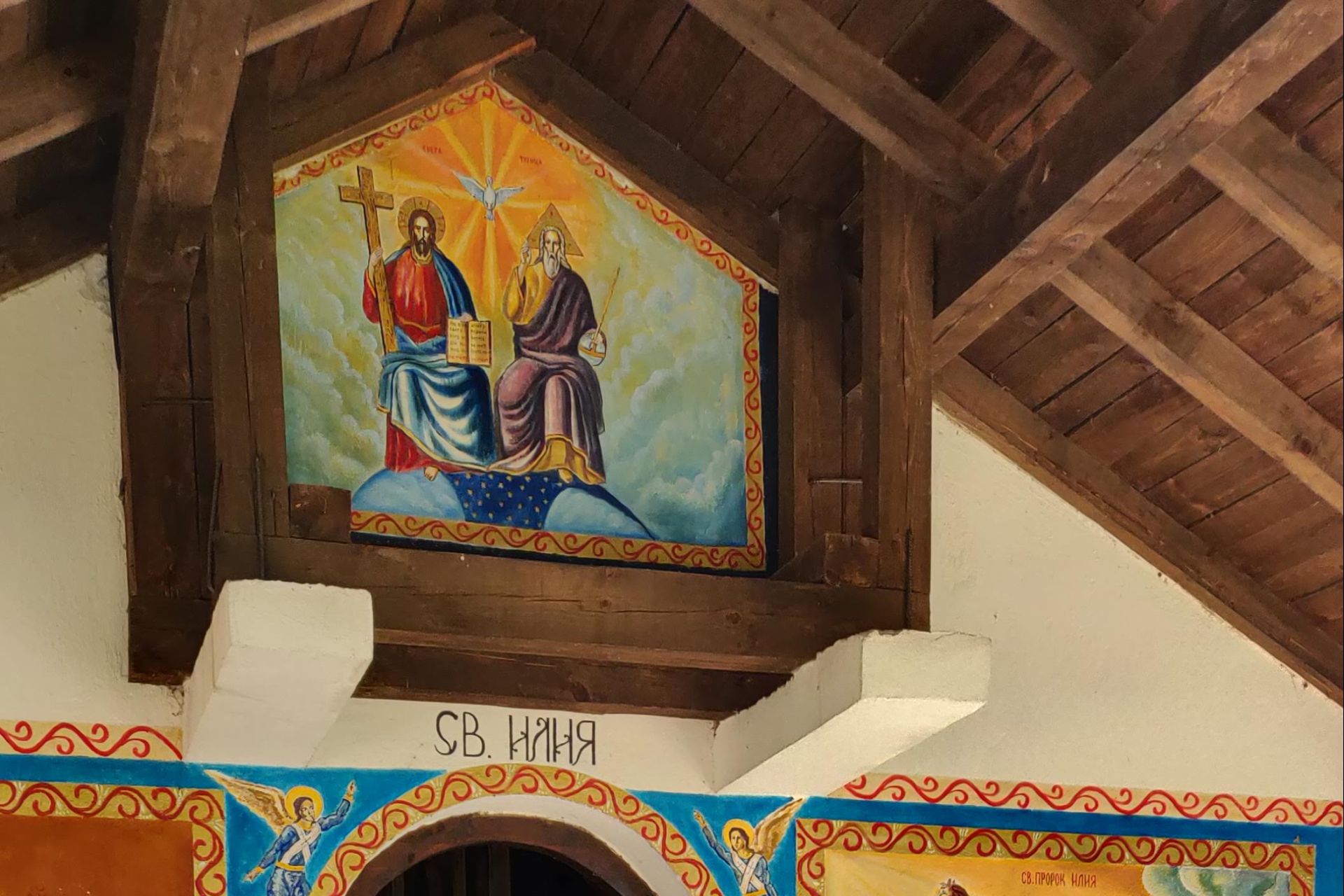
Our list of sights near Velingrad that we recommend visiting continues with Elin Vrah, which rises at an altitude of 1568 m. On the very peak, a chapel “St. Elijah” was built. The name of the temple also gave the name to the peak. From Ilin Vrah (of Saint Elijah), the name gradually changed to today’s Elin Vrah. It offers a great view of Velingrad, nearby settlements and some of the peaks in the area. The fate of the place is reminiscent of that of Nikulova Church. Centuries ago, there was also an Orthodox temple here, which was demolished during the conversion of the population to Islam. Today, numerous sheds and gazebos have been built around the chapel, which offer excellent conditions for rest and a picnic after the climb.
More interesting places around Velingrad
The intersection of the 24th meridian and the 42nd parallel
The route starts from Kleptuza Park and Lake. It will take you about 45 minutes of leisurely walking. A special sign is placed on one of the trees, which indicates the exact coordinates of the intersection. The place has a special energy charge, and the coordinates 24 and 42 can be interpreted as a perfect balance between the material and spiritual worlds. While 24 gives rise to associations with the full cycle of the day and time zones, 42 refers us to the search for the highest meaning. There are 24 hours in a day. That is how many time zones the Earth’s surface is divided into. 42 is “The Answer to the Question of Life, the Universe and Everything” in the book “The Hitchhiker’s Guide to the Galaxy” by Douglas Adams. There is undoubtedly no shortage of interesting places in the Velingrad region.
Sanctuaries around Velingrad
Among the sights gaining popularity around Velingrad are the Thracian sanctuaries. Most of the sanctuaries are of the monolithic type, i.e. they represent a large rock with a carving (according to historians, for sacrifices). The most famous places to visit of this type near Velingrad are Slaveevi skali, Byalata skala, Marina cherkva rock, St. Elijah chapel, the Ostrets, Panichki, Ulichki areas, Sveti Spas peak, the Pobit kamak formation, the Alkov kamak sanctuary.
What to see around Velingrad with children?
Pliocene Park in the village of Dorkovo
Few have heard of the Dorkovo paleontological site, but in fact its importance for world history is enormous.
The Pliocene Park in the village of Dorkovo is the largest paleontological site on the Balkan Peninsula. It is distinguished by an incredible concentration of fossils. On an area of only 15 sq. m, researchers have discovered over 600 bones from 30 different animal species. These impressive scales make the exhibition the second most important of its type in all of Europe.
The Pliocene Park located in the village of Dorkovo will surprise you at first sight. From the outside it looks like a yurt. The building is cylindrical in shape, made of metal and a glass dome.
Upon entering, you are greeted by an impressive model of an Auvergne mastodon – 3.90 meters high. After three years of in-depth research, scientists have concluded that the area near Dorkovo is the most significant deposit of an Auvergne mastodon in the world. It is assumed that millions of years ago a great natural disaster struck an entire herd of these giants near the banks of an ancient river. That is why even today this species is represented by a huge model. Next to it is a sculpture of the fossil ape Dolichopithec.
You can also see a 3-meter tusk, as well as teeth and bones of prehistoric animals found during the excavations. The scientific text boards will give you more detailed information about the history and the exhibition.
The nature around Dorkovo during the Pliocene is presented through a 10-meter landscape diorama. Some of the animal species are presented, and a special sound system reproduces the sounds made by the animals whose remains were found in the paleontological site.
The park is one of the most interesting attractions around Velingrad for children. We recommend including it on your list when planning which sights to visit near Velingrad during your vacation.
Fortress Tsepina
What else is there to see around Velingrad? Tsepina Fortress, of course. You can combine a visit to the interesting Pliocene Museum in the village of Dorkovo with a walk to the Tsepina Fortress, located nearby.
The fortress rises on Mount Tsepina (1136 m). The route is easy and pleasant, and the place is steeped in history and legends. If you are by car, leave the car at the parking lot of the Tsepina hut and continue the walk on foot.
Archaeological excavations reveal that there was a Thracian settlement at this place, inhabited continuously during the Roman and late antique eras. Tsepina entered the borders of Bulgaria in the 9th century. It later became the capital of Despot Alexius Slavus, who turned it into his independent center after 1207. The fortress was an impressive structure with a castle and an area of 25 decares. In the 13th century, it changed possession between the Empire of Nicaea and Tsar Michael II Asen, until in 1373 it finally fell under Ottoman rule.
Legend has it that the name of the fortress of Tsepina is associated with the name of Despot Alexius Slavus and the daughter of the Latin Emperor Henry. When Margaret-Isabel came to marry Alexius Slavus, she was only 13 years old. When she saw the rugged rocks of Tsepina, the young girl muttered in French: “My God, this will surely be my grave!” Her mother-in-law Tamara, who did not understand the language, thought the words were a blessing and replied: “Amen, God willing!”
Another legend describes the fall of the fortress to the Ottomans. After unsuccessful attempts to take it by force, the Ottomans resorted to a trick: they fed a mule with salt and sent it out to search for water. The animal discovered the hidden water supply that supplied the Tsepina fortress. By cutting the pipes, the conquerors forced the Bulgarians to surrender.
Although the legends are different, it is an undeniable fact that the fortress ranks among the most visited landmarks near Velingrad.
Ski slopes around Velingrad (and beyond)
If you think that a vacation in Velingrad is only about spa relaxation, then it’s time to look towards the mountains. Just 16 km from the city is the picturesque Yundola area and its Starina ski slope.
Starina is suitable for both beginner skiers and experienced winter sports enthusiasts who are looking for peace and quiet without queues at the lifts. The slope is located at an altitude of 1680 m, and its length is 280 meters, with a difference in elevation of 50 meters. The ski slope located in Yundola is also preferred by sledding enthusiasts. The complex has its own parking lot, ski storage, restaurant, and horse riding.
During the warmer months you can try horseback riding. You have the option of choosing between a walk in the forest and one in an open arena. In both forms of the walk you will be accompanied by an experienced guide-riding instructor. The equestrian center also offers pony riding – for its youngest visitors. Organized wildlife observation is also offered. It takes place around sunset, from a specially arranged place in the forest.
To take a piece of the Rhodope Mountains home with you, don’t miss the local market. Homemade cheese, yellow cheese, and aromatic wild strawberry and blueberry jams are the must-have “trophies” to leave Yundola with.